How to Choose the Right Credit Card for Your Financial Needs
Choosing the right credit card is essential for managing your finances effectively. Assess your spending habits, understand interest rates, and evaluate rewards programs. Consider fees and customer support to ensure your card aligns with your financial goals, ultimately fostering a healthier financial future.
Understanding Your Options
Navigating the world of credit cards can feel overwhelming. With numerous options available, it’s essential to filter through the noise to find the best fit for your financial lifestyle. The diverse landscape of credit offerings necessitates a strategic approach to ensure that the card you select aligns with your spending habits and financial goals.
Choosing a credit card isn’t just about picking one with a flashy design; it involves a comprehensive evaluation of several factors. Here are key considerations to help guide your decision:
- Interest rates: One of the most critical aspects to analyze is the annual percentage rate (APR). A lower APR means less money spent on interest, which is especially important if you plan to carry a balance. For instance, some credit cards offer introductory 0% APR on purchases for the first 12 to 18 months, allowing you to make larger purchases without immediate interest costs.
- Rewards programs: Many cards come with rewards programs that can cater to your lifestyle. For instance, if you travel frequently, a travel rewards card may offer points for flights, hotel stays, and everyday purchases. Alternatively, if you prefer cashback, various cards provide a percentage back on all purchases, which can be a straightforward way to save money on incidental purchases.
- Fees: It’s crucial to take note of various fees associated with credit cards. Annual fees can vary significantly; while some cards waive this fee, others may charge upwards of $500 annually. Additionally, look out for foreign transaction fees if you plan to travel abroad, as these can add up quickly and diminish your travel budget.
Why It Matters
Many individuals underestimate the long-term impact a credit card can wield over their finances. A well-chosen credit card can aid in building credit history, which is instrumental in securing loans for significant purchases like homes or vehicles. Furthermore, it can provide financial flexibility, allowing for larger purchases to be managed over time rather than in lump sums. Many reward programs also offer enticing incentives, such as flight upgrades or access to exclusive events, which can enhance your lifestyle.
Conversely, a poorly chosen card can lead to overwhelming debt and financial strain. The combination of high-interest rates and fees can quickly diminish any benefits you might receive from a rewards program. Therefore, understanding the various credit card options available to you is crucial in making informed decisions that foster financial health.
Getting Started
Before selecting a credit card, it’s valuable to assess your spending habits. Are you a frequent traveler who benefits from airline miles, or do you prioritize cashback on groceries and gas? Your choice should align with your lifestyle to maximize benefits. For example, a card that offers 2% back on grocery purchases would be ideal for someone who spends heavily in that category, whereas a travel enthusiast might favor points redeemed for airline tickets.
To embark on this journey, consider researching various credit card offers available in the market today. Take advantage of online comparison tools that allow you to weigh different features side by side. With this guide, you’ll uncover vital insights to make a wise financial move, ultimately steering your financial future toward success.
LEARN MORE: Click here for the step-by-step guide
Factors to Consider When Choosing a Credit Card
As you begin your journey toward selecting the perfect credit card, it’s essential to understand the factors that can impact your choice significantly. Taking the time to weigh these considerations against your personal financial situation can lead you to a card that not only meets your immediate needs but also supports your long-term financial health.
1. Your Credit Score
Your credit score plays a pivotal role in determining which credit cards you will qualify for. Generally, those with higher credit scores—typically ranging from 700 to 850—are offered cards with lower interest rates and more rewarding benefits. If your score falls within the lower range, you may still have options, but they might feature higher fees or less favorable terms. Before applying, it can be beneficial to check your credit score through free services available online. This enables you to strategically target cards aligned with your creditworthiness.
2. Types of Credit Cards
Understanding the different types of credit cards available can help you narrow down your choices. Here are a few common categories:
- Balance Transfer Cards: Designed for individuals looking to pay down existing credit card debt. These cards typically offer an introductory 0% APR on transferred balances for a limited period, making it easier to pay off debt without accruing additional interest.
- Rewards Cards: As mentioned earlier, these cards provide benefits for spending. They might earn you points for travel, cashback on daily purchases, or discounts with specific retailers. Determine which rewards align with your spending habits to maximize your benefits.
- Secured Credit Cards: Ideal for individuals starting to build or rebuild credit. These cards require a security deposit that serves as your credit limit, minimizing the risk for the issuer. Over time, responsible use can help improve your credit score.
3. Spending Categories
Identifying your primary spending categories can dramatically influence your credit card selection. If you frequently dine out, smoke discounts on restaurants or groceries would be beneficial. Conversely, those who travel often might favor rewards cards that offer miles for air travel or hotel points. Many credit card issuers provide tiered rewards systems, where certain categories earn a higher percentage of rewards. Paying attention to these details is crucial in optimizing your spending strategy.
4. Promotions and Bonuses
Many credit cards offer sign-up bonuses as an enticing way to attract new users. For instance, a card may offer 50,000 points after spending $3,000 in the first three months. This could translate into substantial savings on future travel expenses. However, ensure that you can meet the spending requirements comfortably without incurring unnecessary debt.
As you assess these factors, remember that a well-chosen credit card can serve as a valuable financial tool, helping you navigate expenses while building credit. In the next section, we will delve deeper into understanding technical terms such as grace periods, APR calculations, and how to effectively manage your card once you’ve chosen the right one for your needs.
DIVE DEEPER: Click here to explore the connection
Additional Considerations for Making the Right Choice
With a greater understanding of credit scores, card types, spending categories, and promotional offers, you’re moving closer to identifying the ideal credit card. However, several other critical aspects can further shape your decision-making. Delving into areas such as fees, interest rates, and redemption options will ensure a well-rounded perspective on your potential credit card choices.
5. Fees and Costs
When selecting a credit card, understanding the associated fees is paramount. Credit cards may come with various fees, such as annual fees, foreign transaction fees, late payment fees, or balance transfer fees. An annual fee is common with premium cards that offer higher rewards or benefits; however, evaluate whether the rewards’ value outweighs the cost. For those who travel abroad frequently, selecting a card with no foreign transaction fees could save you significant amounts over time.
Consider comparing the fee structures of different cards. Even seemingly minor fees can add up, particularly for a budget-conscious consumer. It’s also wise to read the fine print on any promotional offerings—often, these come with their own set of fees after the introductory period expires.
6. Interest Rates (APR)
The Annual Percentage Rate (APR) on your card is one of the most crucial factors to evaluate. The APR determines how much interest you will incur if you carry a balance from month to month. While many rewards cards boast enticing rewards, they often come hand-in-hand with high APRs. If you don’t plan to pay off your balance in full every month, searching for a card with a lower APR could save you from excessive interest charges.
Additionally, be aware of how the APR can fluctuate. Many cards feature variable rates that can change based on economic conditions or your behavior as a cardholder. Always stay informed about your card’s terms to avoid any surprises.
7. Redemption Options and Flexibility
Another important aspect to consider is how easy it is to redeem your rewards. Some cards may offer a straightforward cashback system, while others present complex point systems requiring careful navigation. Consider how rewards can be earned and redeemed. For example, if travel rewards interest you, look into whether the card provides flexible options for booking, such as the ability to transfer points to travel partners or book directly through the issuer.
Furthermore, check if there are blackout dates or restrictions on redeeming rewards, which could hinder your ability to fully utilize your hard-earned benefits. This flexibility can make a significant difference, particularly for those who are keen on travel or frequent shopping.
8. Customer Service and Support
Finally, take into account the customer service aspect of the credit card issuer. Quality customer support can be invaluable, especially when issues arise, such as fraudulent transactions or billing disputes. Research customer reviews and ratings to gauge the general satisfaction among existing customers. Many issuers also provide mobile apps or online platforms for managing accounts, making it easy to navigate your finances effectively and stay on top of payments.
Understanding these additional factors enhances your ability to choose a credit card tailored to your needs. As you continue to analyze your options, consider how you can best use the card in everyday life while building your credit history responsibly. Next, we will discuss effective strategies for managing your credit card effectively, ensuring it works for you rather than against you.
DISCOVER MORE: Click here to learn about the impact of fintechs on financial inclusion
Conclusion
As you embark on your journey to select the right credit card for your unique financial needs, it’s essential to synthesize all the information you’ve gathered. The right card should align with your spending habits, lifestyle preferences, and financial goals, whether that means focusing on rewards, controlling costs, or simply building your credit history.
Remember, the type of card you choose plays a pivotal role in your financial health. Take the time to analyze the various fees associated with each card and consider the potential impact of the Annual Percentage Rate (APR) on your balance. This awareness not only allows you to reap the maximum benefits but also safeguards you against unexpected financial burdens.
Your ability to navigate redemption options and customer service experiences should not be overlooked. A card that offers flexible rewards and reliable support can significantly enhance your credit card experience. Additionally, always stay vigilant about any changes to terms or rates, ensuring you’re in control of your finances every step of the way.
In conclusion, choosing the right credit card is not merely a tick-the-box exercise; it is a critical decision that can shape your financial future. Take the time to conduct detailed research, weigh your options, and tailor your choice to fit your lifestyle. By doing so, you’ll not only make informed decisions but will also set the stage for a healthier financial journey ahead.
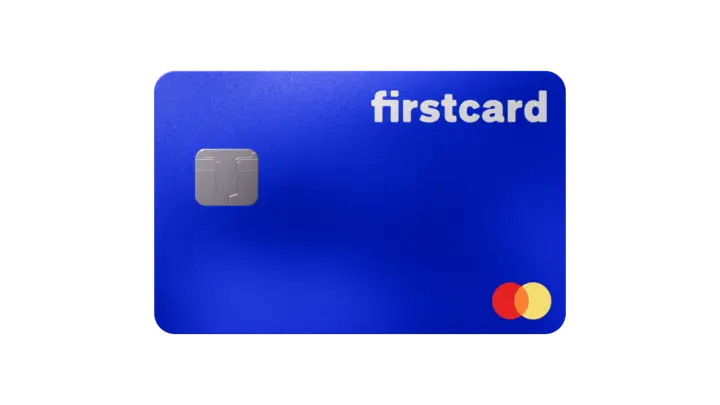 How to Apply for Firstcard Secured Credit Builder Card – A Step-by-Step Guide
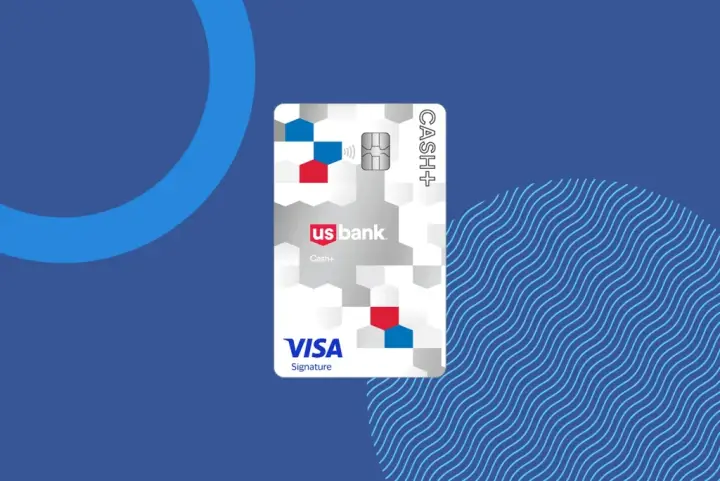 How to Apply for US Bank Cash Visa Signature Card Online
 How to Apply for the Discover it Cash Back Credit Card Online
 How to Apply for Oportun Loan Quick Steps for Easy Approval