The Importance of Financial Education in the Responsible Use of Credit Cards
Financial education is crucial for responsible credit card use, helping consumers avoid debt, develop effective payment strategies, and improve credit scores. Understanding credit mechanics empowers users to make informed decisions about spending, rewards, and managing interest, ultimately fostering better financial habits and a secure financial future.
The Importance of Financial Education
In today’s society, where credit cards are commonplace and financial transactions happen at the click of a button, the significance of responsible credit usage cannot be overstated. Financial education acts as the essential framework for consumers, enabling them to skillfully maneuver through the sometimes treacherous territory of credit management. This knowledge base is crucial to prevent entrapment in debt cycles and the burdensome grip of accruing high interest rates.
Why Financial Education Matters
For many, a lack of financial literacy can lead to feelings of confusion and anxiety. Understanding financial principles is not only beneficial but necessary for navigating the complexities associated with credit card usage. Here are several compelling reasons why financial education is paramount for credit card users:
- Debt Avoidance: By gaining insight into credit limits and interest rates, individuals can protect themselves from overspending and accruing debt that spirals out of control. Equipped with knowledge, users can accurately assess their financial capabilities and make choices that align with their economic realities.
- Payment Strategies: Educated consumers develop effective payment strategies, enabling them to stay ahead of due dates and avoid costly late fees. For instance, setting up automatic payments for at least the minimum amount due can ensure timely payments and maintain a positive credit history.
- Building Credit Scores: Understanding the significance of credit utilization—keeping balances low relative to credit limits—can significantly improve credit scores. Lower credit utilization typically reflects a responsible credit usage pattern, enhancing an individual’s creditworthiness.
Moreover, financial literacy empowers consumers to make informed decisions regarding their credit cards. By comprehending the intricate details of the terms and conditions, users can take advantage of numerous benefits:
- Rewards Programs: Many credit cards offer enticing cashback or travel rewards. By using these cards for everyday purchases, individuals can reap rewards they can actually use, like travel miles for vacations.
- Interest Management: Understanding when to carry a balance or pay it off in full can help consumers save money. For short-term financing needs, some cardholders find it beneficial to carry a balance while obtaining a lower interest rate from promotional offers.
- Financial Emergencies: Credit cards can be invaluable during financial emergencies. However, without proper knowledge, individuals may misuse their cards during crises, compounding their financial struggles. Understanding how to leverage credit effectively can provide a safety net without falling into debt traps.
Armed with this knowledge, individuals can tap into the advantages of credit cards, utilizing them as tools for financial empowerment rather than pitfalls that lead to financial distress. As this article delves deeper into the critical role of financial education, it becomes clear that promoting responsible credit card use is not just beneficial; it’s essential for fostering a financially savvy society.
DIVE DEEPER: Click here to learn more
Understanding Credit Card Fundamentals
To fully grasp the importance of financial education in the responsible use of credit cards, one must first understand the fundamental components associated with credit. Credit cards, while convenient, carry a range of features, fees, and potential pitfalls that can profoundly impact one’s financial health. Understanding how these aspects work together provides a clearer picture of why robust financial literacy is essential for any credit card user.
The Mechanics of Credit Cards
At the core of credit card usage is the concept of credit itself, which refers to the trust that allows one party to provide resources to another party where repayment is expected. This financial trust manifests in several key aspects:
- Credit Limit: This is the maximum amount a lender is willing to extend to a borrower. Consumers need to grasp their credit limit as it relates to their financial situation to avoid overspending. For instance, spending near one’s limit may not only lead to high-interest debt but can also negatively impact their credit score.
- Interest Rates: Credit cards often come with varying interest rates, impacting how much one ultimately pays if they carry a balance. Understanding the Annual Percentage Rate (APR) is crucial, as different rates can apply to purchases, cash advances, and balance transfers. For example, the average APR in the U.S. can be above 15%, and carrying a balance can quickly turn into a costly financial burden.
- Minimum Payments: Many consumers may think that paying only the minimum is acceptable; however, this approach can lead to prolonged debt and substantial interest costs. Financial education encourages individuals to pay more than the minimum whenever possible to reduce interest expenses over time.
In addition to these foundational elements, a well-rounded financial education provides insight into practical skills that can enhance responsible credit card use. Here are a few important skills:
- Budgeting: A solid budget allows consumers to allocate funds appropriately, helping them to manage their credit card bills monthly without succumbing to impulse purchases.
- Monitoring Credit Reports: Regularly checking credit reports enables users to track their credit utilization and spot inaccuracies that could harm their score. The Federal Trade Commission recommends checking your credit report at least once a year from each of the three major credit bureaus.
- Smart Usage: Knowing when and how to use credit wisely, such as using it for planned purchases and paying it off quickly, can maximize rewards without spiraling into debt.
Through understanding these components and skills, individuals can shift their perspective on credit cards from seeing them as mere payment tools to recognizing them as powerful financial instruments that have the potential to build wealth when used wisely. The next sections will further explore how financial education can pave the way for a healthier relationship with credit, promoting long-term success rather than short-term satisfaction.
DISCOVER MORE: Click here to learn how to apply for the M1 Owners Rewards Credit Card online
Navigating the Complexities of Credit Card Rewards and Benefits
An often-overlooked facet of credit cards is the array of rewards and benefits that accompany various cards. Financial education plays a pivotal role in helping consumers appreciate these offerings while avoiding the traps associated with them. The rewards structure can be enticing, including cash back, points, or travel rewards, but understanding how to maximize these benefits requires critical knowledge.
The Allure of Credit Card Rewards
Many credit cards offer appealing incentives designed to attract consumers, but it’s essential to recognize which options genuinely align with one’s financial habits. Here are some factors to consider:
- Types of Rewards: Cash back might be more appealing for those who prefer simplicity over complex point systems. On the other hand, frequent travelers may benefit from travel rewards that provide mileage points for flights or hotel stays. Without financial education, consumers may select a card based solely on superficial rewards rather than evaluating their long-term utility.
- Annual Fees: While certain cards offer extensive rewards, they often come with high annual fees that can outweigh the benefits of rewards earned. An educated consumer will assess whether the perks justify the costs; understanding this can save substantial amounts of money. A card with a $95 annual fee might require spending thousands of dollars to break even on rewards.
- Redemption Options: Knowledge about how to redeem rewards is crucial. Some credit cards allow for flexible redemption across various platforms, while others may restrict redemption choices. Knowing the rules and benefits can help individuals avoid frustration and maximize the value of their rewards.
Avoiding Debt Through Strategic Spending
One of the most significant lessons from financial education is the importance of strategic spending. Credit cards can serve as an excellent financial tool, but without direction, they can lead to overwhelming debt. Here’s how financial literacy can help mitigate this risk:
- Spending Triggers: Understanding emotional spending, or impulse buying, is crucial. Financial education promotes awareness of these triggers, enabling individuals to resist excessive spending that may occur when they rely solely on credit cards for purchases.
- Debt-to-Income Ratio: A fundamental aspect that often goes unnoticed is the debt-to-income (DTI) ratio. Maintaining a healthy DTI can play a significant role in obtaining loans or mortgages in the future. Financial education can aid individuals in managing their credit card utilization beneath the recommended threshold of 30% of their total credit limit, thus supporting a sound financial profile.
- Payment Timing: Timing payments can also greatly affect an individual’s overall financial health. By understanding billing cycles and making payments immediately after purchases, consumers can reduce their interest charges and enhance their credit scores.
The above strategies highlight how financial education equips consumers with the insights needed to navigate the complexities of credit card rewards while recognizing the risks of overspending. By fostering a deeper understanding of these concepts, individuals can transition from being passive users of credit to becoming active, informed participants in their financial journeys, ultimately leveraging their credit cards as tools for financial growth rather than sources of debt.
DISCOVER MORE: Click here to learn how to apply for the Power Cash Rewards Visa Signature Credit Card today
Conclusion: Empowering Financial Literacy for a Brighter Future
In a world where credit cards play an integral role in daily financial transactions, understanding how to use them responsibly is paramount. Financial education not only equips consumers with the necessary skills to navigate the often confusing landscape of credit card offers and rewards but also emphasizes the importance of disciplined financial habits that can safeguard against debt accumulation.
By recognizing the significance of credit card management, consumers can make informed decisions that align with their lifestyles and financial goals. This includes selecting the right card based on personal spending habits, thoroughly assessing the implications of annual fees, and understanding the nuances of reward redemption. Furthermore, financial literacy can help individuals stay aware of their debt-to-income ratios and engage in strategic spending, ultimately fostering a healthier financial profile.
As credit cards become increasingly pervasive, consumers must embrace the concept of financial literacy as a lifelong pursuit. The journey towards financial empowerment begins with education and awareness, enabling individuals to transition from passive users to confident, informed participants in their financial well-being. Investing time in acquiring knowledge on credit management can lead to significant savings, improved credit scores, and ultimately, a more secure financial future.
In conclusion, the importance of financial education cannot be overstated. In an age marked by rapid financial innovations, those equipped with the right knowledge stand to gain the most. Take the initiative to explore resources, attend workshops, and consult financial advisors to cultivate a robust understanding of credit cards, paving the way for a future defined by responsible financial choices.
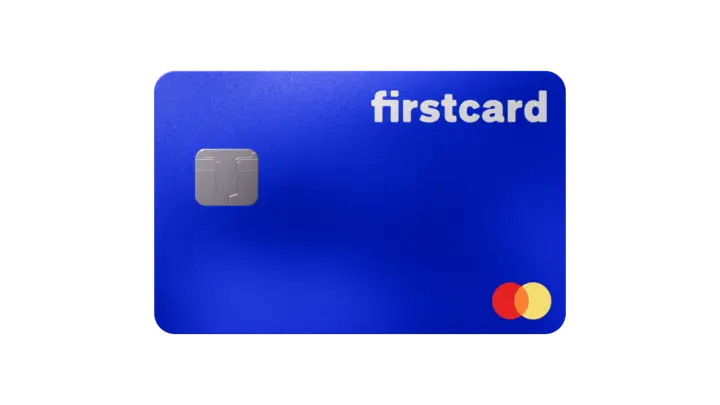 How to Apply for Firstcard Secured Credit Builder Card – A Step-by-Step Guide
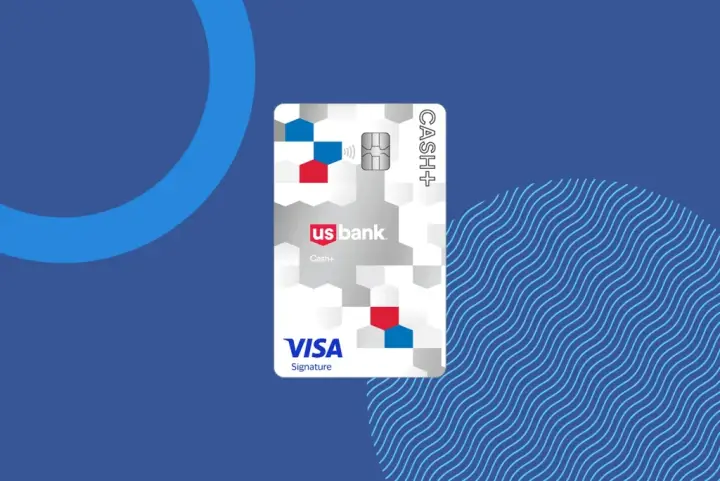 How to Apply for US Bank Cash Visa Signature Card Online
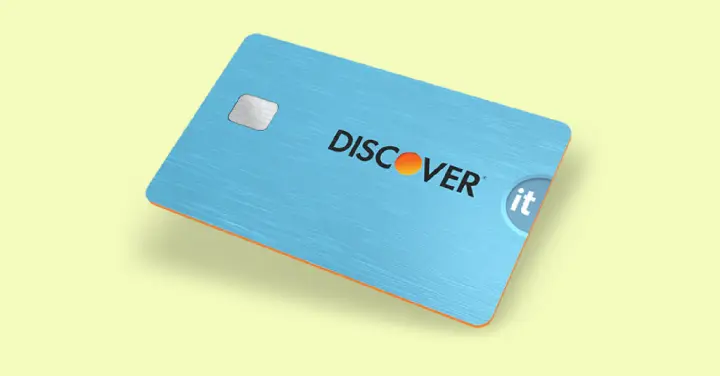 How to Apply for the Discover it Cash Back Credit Card Online
 How to Apply for Oportun Loan Quick Steps for Easy Approval