The Role of Credit Cards in Managing Financial Emergencies
Credit cards play a vital role in managing financial emergencies by providing immediate access to funds, flexible payment options, and potential rewards. When used responsibly, they can alleviate financial stress while also building credit. Understanding and strategizing credit card use enhances financial security and promotes overall economic stability in uncertain times.
The Role of Credit Cards in Financial Security
In a world that often presents unexpected financial hurdles, maintaining a practical, secure backup strategy is increasingly vital. Credit cards, once seen merely as tools of consumerism, have proven their worth as essential instruments during financial emergencies. By offering more than just convenience, they can place immediate funds at your fingertips that might otherwise be out of reach in a pinch.
Key Benefits of Using Credit Cards
- Instant Availability: One of the primary advantages of credit cards is the quick access to credit limits during urgent situations. For example, when faced with unexpected medical bills or necessary auto repairs, a credit card can offer the funds you need without the long processing times typically associated with bank loans. This immediacy is invaluable when time is of the essence.
- Flexible Payments: Many credit cards come with the benefit of installment payment options. This means that rather than paying off a large expense all at once, you can spread it over a few months, significantly easing financial pressure. For example, if your refrigerator breaks down unexpectedly, being able to use a credit card to cover the repair while making manageable monthly payments can be a financial lifesaver.
- Rewards Programs: Various credit cards are equipped with reward systems or cashback incentives that can turn everyday emergencies into opportunities for savings. Consider a situation where you use your credit card to pay for an urgent home repair; you might earn points that could later be redeemed for travel, gift cards, or even cash back, making that necessary expense a little less burdensome.
Recent surveys show that nearly 40% of Americans would find it challenging to cover a $400 unexpected expense without borrowing. In such scenarios, a well-managed credit card can serve as a bridge, providing immediate access to funds and granting a sense of security in uncertain times.
However, while the benefits of credit cards can be substantial, it is imperative to recognize the responsibilities that accompany their usage. Understanding interest rates, annual fees, and the risk of accumulating debt is essential for navigating the credit landscape effectively. Consumers must be vigilant and proactive about managing their credit card usage to avoid falling into financial pitfalls.
Engaging further with the practical aspects of credit cards can be enlightening. Explore strategies on how to maximize rewards, effectively manage debt, and keep your credit score in top shape. This knowledge not only enhances your financial literacy but also empowers you to take control of your financial future, turning challenges into manageable opportunities.
DISCOVER MORE: Click here for details
Harnessing Credit Cards for Financial Stability
In moments of financial crisis, the flexibility and immediate availability of credit cards can be a game changer. They serve an essential function in the financial ecosystem, providing a safety net when life takes an unexpected turn. From unforeseen medical expenses to urgent home repairs, the utility of credit cards extends far beyond mere purchasing power into the realm of **financial management and emergency preparedness**.
Understanding the Immediate Advantages
When contemplating the role of credit cards during financial emergencies, it is essential to grasp their inherent advantages:
- Rapid Response: The **instant access to funds** is arguably the most significant benefit a credit card can provide. For many, the thought of facing an unplanned expense can be daunting. In fact, a survey by the Federal Reserve found that approximately 40% of American adults would struggle to come up with just $400 for an unexpected expense without borrowing. Credit cards enable users to address these sudden financial demands swiftly, often within seconds of swiping their card.
- Emergency Features: Many credit cards come equipped with specific features designed for emergencies, such as **insurance for trip cancellations** or even **extended warranties** on purchases. These benefits can save hundreds, even thousands, in potentially vital situations. For instance, if a smartphone is damaged, a credit card that offers purchase protection can cover repair costs without additional out-of-pocket expenses.
- Budget Management: Using credit cards effectively can facilitate within-month budgeting. By charging urgent costs to a credit card, you can **free up cash flow** during the month. This means that instead of stressing over how to pay for a medical visit today, you can allocate your resources more efficiently throughout the upcoming weeks—instead of exhausting your savings all at once.
However, the potential of credit cards is maximized only when used wisely. The temptation to overspend is one of the inherent risks associated with having such ready access to capital. According to the Consumer Financial Protection Bureau (CFPB), unregulated spending can lead to significant interest charges and debt accumulation that might spiral out of control if not managed properly. An understanding of your credit limit and a solid plan for repayment are crucial to leveraging these tools effectively.
In the journey to financial literacy, it’s essential to acknowledge the balance between utilizing credit cards for emergencies and maintaining fiscal responsibility. This balance can mean the difference between leveraging credit for **financial enhancement** and finding oneself ensnared in a cycle of debt. Understanding the intricacies of credit card management not only prepares individuals for emergencies but also promotes overall financial health—serving as a foundation for informed financial decisions in the future.
DISCOVER MORE: Click here to learn about economic inequality
Building a Financial Safety Net with Credit Cards
While credit cards are often viewed as a convenient payment method, they also play a pivotal role in establishing a financial safety net—especially during emergencies. The capacity to manage unpredictable expenses is critical, and utilizing credit cards strategically can cushion individuals against financial shocks. An understanding of how to maximize these tools can lead to beneficial outcomes in times of crisis.
Credit Cards as a Financial Cushion
Effectively utilizing credit cards during financial emergencies can transform a dire situation into a manageable challenge. This often comes down to understanding how to leverage credit responsibly:
- Cash Flow Relief: For those living paycheck to paycheck, credit cards offer a temporary reprieve by allowing individuals to cover immediate costs without depleting their cash reserves. For instance, in the event of car repairs, charging the expense to a credit card means that the cardholder can pay it off over time rather than facing the immediate financial strain. This deferred payment can help stabilize their financial situation while they plan for the payment.
- Building Credit Wisely: Responsible use of credit cards also contributes to building and maintaining good credit scores. This is particularly important during emergencies when obtaining loans may be necessary. According to Experian, a credit score above 700 is considered good, allowing individuals to secure better interest rates on loans. Utilizing credit cards wisely during a crisis can thus not only preserve financial reserves but also bolster long-term financial health.
- Emergency Cash Access: In dire situations where cash is required immediately, some credit cards offer **cash advance features**. While this comes with its own set of fees and interest rates, it can be a valuable option in a pinch. It’s crucial, however, to understand the costs involved and have a plan to repay any withdrawals promptly to avoid accruing hefty interest charges.
Moreover, many credit card issuers also provide tailored solutions for customers facing financial difficulties, such as **temporary payment reductions** or **lower interest rates**. Understanding these options can be an invaluable resource during emergencies. For instance, American Express has been known to provide assistance programs for cardholders experiencing financial hardships, allowing them to manage repayments more effectively.
Strategic Use and Monitoring
The role of monitoring and strategizing cannot be overstated when it comes to using credit cards. Establishing a budget that includes credit spending—especially in emergencies—can help mitigate the potential pitfalls. Emphasizing the projective use of credit cards, consumers should ask themselves critical questions before charging expenses: Can this expense be avoided? Will I be able to pay it off within a reasonable timeframe? Such assessments can ensure that the credit card remains a tool for managing emergencies rather than becoming a source of insurmountable debt.
Education on credit card terms, interest rates, and payment systems is equally vital. Many consumers remain unaware of the different interest rates applied to purchases versus cash advances, or the details surrounding their card’s grace period. Be on high alert for these factors, as they can significantly affect financial decisions made in times of need.
In profoundly uncertain economic climates, the ability to utilize credit cards effectively becomes more than a matter of convenience; it transforms into a necessary skill set. With the right strategies, credit cards not only assist during emergencies but can also cultivate a foundation for long-term financial well-being, empowering individuals toward resilience in their financial journeys.
DIVE DEEPER: Click here to learn more
Conclusion: Navigating Financial Turbulence with Credit Cards
In a world where financial emergencies are inevitable, the strategic use of credit cards can serve as a crucial lifeline for many. By providing essential cash flow relief, these financial tools enable individuals to address unexpected expenses without immediate depletions to savings. It’s essential to recognize that credit cards are not simply a means of creating debt; when used responsibly, they can enhance one’s financial resilience.
Moreover, responsible credit card management plays a significant role in building strong credit profiles. A solid credit score not only facilitates easier access to loans but often results in lower interest rates, paving the way for better financial opportunities when most needed. This dual benefit—managing emergencies while simultaneously improving creditworthiness—encourages consumers to view credit cards as supportive allies rather than adversaries.
As we navigate through financial uncertainties, educating oneself on the nuances of credit card usage—such as understanding interest rates, grace periods, and repayment strategies—becomes increasingly important. By adopting a proactive approach and establishing clear budgets, individuals can ensure that credit remains a tool for relief, not a source of long-term financial distress.
Ultimately, the role of credit cards in managing financial emergencies goes beyond transactional convenience; it embodies the essence of financial empowerment. By wielding credit cards wisely, consumers can secure a stable financial future while staying prepared to tackle whatever unexpected challenges may arise. Understanding this balance opens doors for deeper financial knowledge and stronger economic stability.
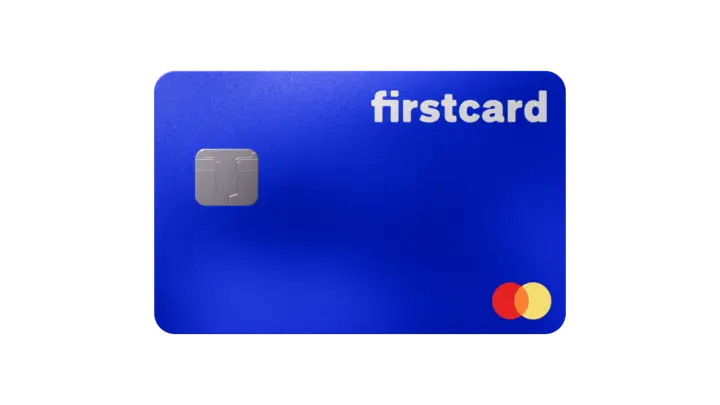 How to Apply for Firstcard Secured Credit Builder Card – A Step-by-Step Guide
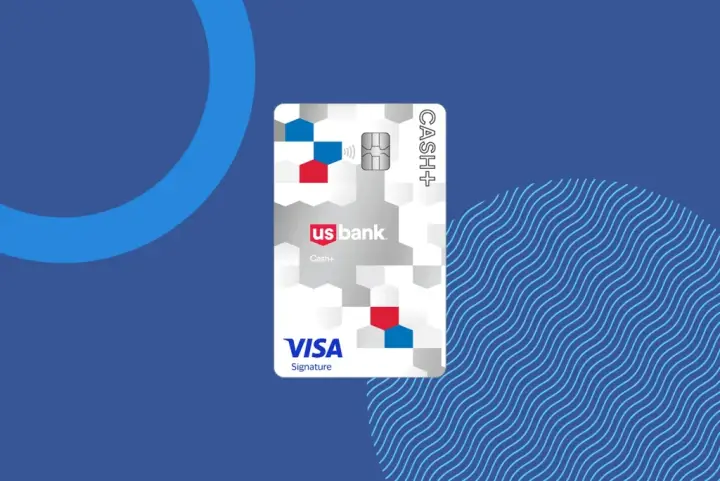 How to Apply for US Bank Cash Visa Signature Card Online
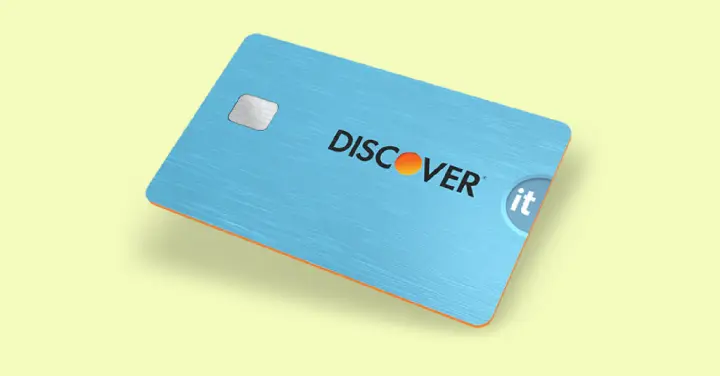 How to Apply for the Discover it Cash Back Credit Card Online
 How to Apply for Oportun Loan Quick Steps for Easy Approval